








その13 サーボモーター多軸同期制御 Youtube折れないシャー芯動画
こんにちは、もりおです。暑いですね、いやいや、もはや熱いですね
Youtubeに投稿しました「サーボモーター:シャーペンの芯が折れない」に多数のアクセスとコメントを頂き、ありがとうございます。
動画版
ショート版
※内容は同じです。
この場を借りて、簡単に補足説明致します。
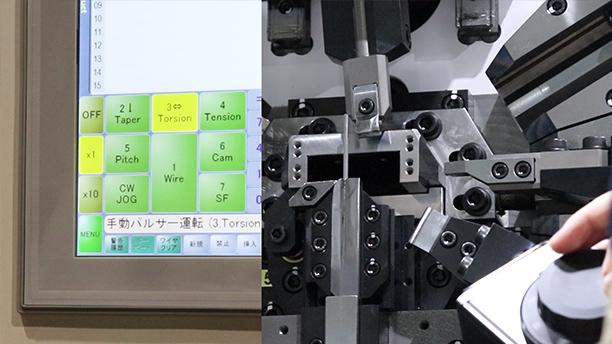
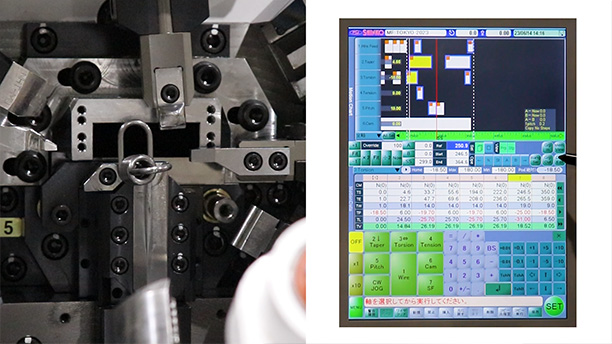
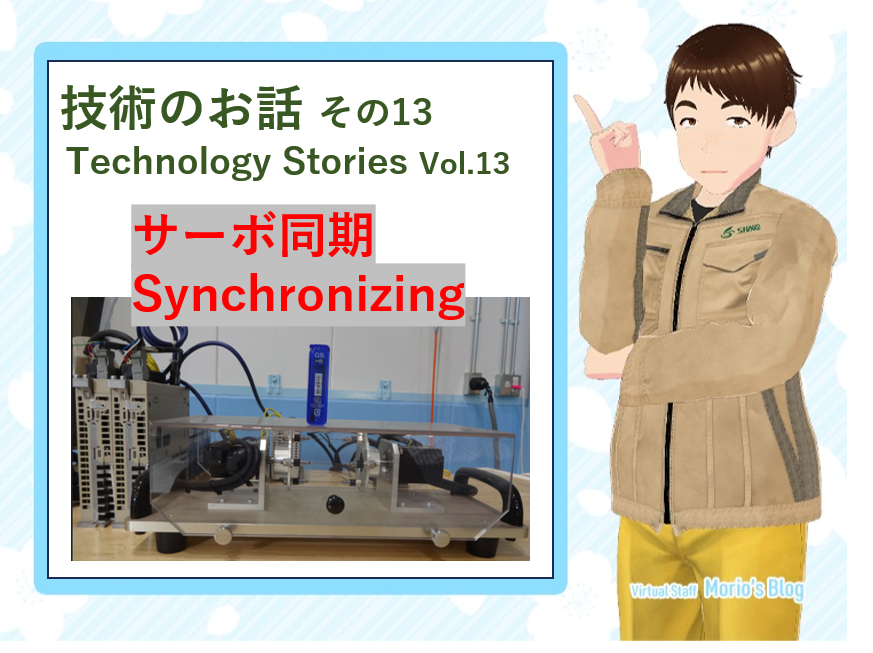
2つの同期するサーボモーターの間で、折れずに回転しているシャーペンの芯は本物です。HB0.5mmタイプです。
NC(数値制御)工作機械の多軸同期制御システムは、高度な精密加工を行う上で重要な構成要素であり、CPU、サーボドライバー、サーボモーターが連携して動作します。
これらの部品は各々独自の役割を持ちながら、システム全体の効率的で正確な運用を支えています。
1.CPU(Central Processing Unit)
①定義と機能
- CPUは、工作機械の「司令塔」として機能し、プログラムされた加工データや命令を解析し、それを適切な制御信号に変換します。このCPUによる解析と命令処理が、工作機械の動作の正確性と効率を決定します。
②役割
- NC工作機械におけるCPUは、オペレーターが入力したプログラムデータやプリセットされたプログラム(Gコードなど)に基づいて全ての機械操作をコーディネートします。複数の軸の運動(運動量、タイミング、速度)を同期させる指令を出し、加工の各段階を正確に制御します。
2.サーボドライバー(安川電機商品では、サーボパック)
①定義と機能
- サーボドライバーは、CPUからの信号を受け取り、それをサーボモーターが理解できる電力信号(電流や電圧)に変換します。この装置は、入力された信号の解析と、それに応じたモーターへの正確な電力供給を行います。
②役割
- サーボドライバーの主な役割は、サーボモーターに正確な速度とトルクを提供することです。これにより、サーボモーターは非常に精密な位置決めとスムーズな動作を達成でき、多軸の運動が同期して行われます。
3.サーボモーター
①定義と機能
- サーボモーターは、電気エネルギーを機械的運動に変換する役割を担います。高度に応答性があり、精確な位置制御が可能な特性を持っています。
②役割
- 各軸を動かす主要なアクチュエータとして機能し、サーボドライバーからの精密な電力制御に基づき、メカ部品を介して、各加工ツールが正確な位置への移動や、定義された速度での運動を実行します。
それぞれの関係性
CPU、サーボドライバー、サーボモーターは、連携してシームレスに機能する必要があります。CPUが全体の指令を出し、サーボドライバーがこれを適切な電力出力に変換してサーボモーターに送り、サーボモーターはこれを精確な機械的動作に変換します。この一連の流れが高度に同期されているため、複雑で精密な加工が可能となり、工作機械の効率と製品品質が大幅に向上します。
制御されるサーボドライバーやサーボモーターの数を、軸数と言いますが、投稿したシャーペンの芯を回転させる動画は、2つのサーボモーターですので、2軸制御です。
投稿動画のばね加工は、各軸の違う動きを統一制御することで成立しています。当社の製品には、1台で20軸を超えるようなものもあり、機械の構造も制御技術も非常に複雑ですが、ばね加工機の設計や製造は、アナログとデジタルを高度に融合させた大変おもしろい仕事だと思います。
Vol. 13: Synchronized Yaskawa Servo Motors (Youtube:no break of mechanical pencil leads)
Hello, it’s Morio! It’s hot, no, it’s actually scorching!
Thank you so much for the numerous views and comments on my YouTube post, “Synchronized Yaskawa Servo Motors (no break of mechanical pencil leads)”
Video
Shorts
Same Contents
We have both the full video and a short version available, but they contain the same content. I’d like to take this moment to give a brief supplementary explanation. The unbroken, rotating pencil lead between two synchronized servo motors, as shown in the video, is genuine HB 0.5 mm lead.
The multi-axis synchronous control system in NC (Numerical Control) machine tools is a critical component for performing advanced precision machining. It involves the collaboration of the CPU, servo drivers, and servo motors. Each of these components plays a unique role while supporting the efficient and accurate operation of the entire system.
- CPU (Central Processing Unit)
- Definition and Function: The CPU acts as the “command center” of the machine tool, analyzing programmed machining data and commands, and converting them into appropriate control signals. The accuracy and efficiency of the machine tool’s operations are determined by this CPU processing.
- Role: In NC machine tools, the CPU coordinates all machine operations based on input from the operator or preset programs (such as G-code). It issues commands to synchronize the motion (amount of movement, timing, speed) of multiple axes and precisely controls each stage of the machining process.
- Servo Driver (Servopack in Yaskawa Electric products)
- Definition and Function: The servo driver receives signals from the CPU and converts them into electrical signals (current and voltage) that the servo motors can understand. This device analyzes the input signals and provides precise electrical power to the motors.
- Role: The main role of the servo driver is to provide accurate speed and torque to the servo motors. This enables the servo motors to achieve very precise positioning and smooth operation, allowing for synchronized multi-axis movements.
- Servo Motor
- Definition and Function: The servo motor converts electrical energy into mechanical motion. It is highly responsive and capable of precise position control.
- Role: Acting as the main actuator for moving each axis, the servo motor performs precise movements and speed, as dictated by the servo driver, to accurately position each machining tool through mechanical parts.
Interrelationship The CPU, servo drivers, and servo motors must function seamlessly together. The CPU issues overall commands, the servo drivers convert these into appropriate electrical outputs, and the servo motors translate these into precise mechanical actions. This highly synchronized process allows for complex and precise machining, significantly enhancing the efficiency and product quality of machine tools.
The number of servo drivers and servo motors controlled, referred to as the number of axes, is two in the case of the video showing the rotation of the pencil lead. The spring manufacturing shown in the posted video is made possible by unifying the different movements of each axis under one control system. Our products can handle more than 20 axes in one machine, making the design and manufacturing of spring machines a fascinating job that intricately blends analog and digital technologies.